

Designing Visual Stories About Body Positivity and Appetite
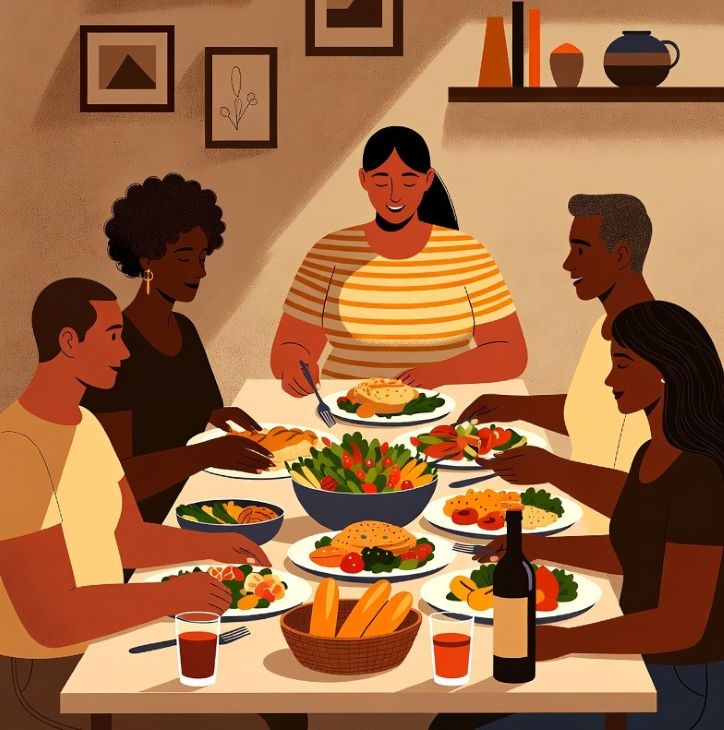
Research shows that media exposure plays a measurable role in shaping body image and eating behaviors. According to the American Psychological Association, repeated exposure to idealized body types can influence how people perceive their own bodies and their relationship with food. That means art, in all its forms, is never just decoration. It quietly teaches, nudges, and sometimes challenges what we believe about appetite and self-worth.
Scroll through social media or browse wellness forums and you will notice how conversations about appetite often intersect with products like GML Apeti, which are frequently discussed as tools for weight gain or appetite support. These discussions are not just about health. They reflect deeper feelings about identity, confidence, and what it means to “look healthy.” Artists have started to tap into this tension, turning it into visual narratives that question norms rather than reinforce them.
When Art Talks About Appetite
Some of the most powerful works about body image do not shout. They linger. Think of paintings that show full plates next to uncertain expressions, or digital illustrations where bodies stretch, soften, and change across frames. These works mirror real experiences, the awkwardness of eating in public, the pressure to gain or lose weight, or the quiet joy of finally enjoying a meal without guilt.
Artists like Jenny Saville have explored flesh and form in ways that reject polished perfection. Her work feels raw, almost uncomfortable at first glance. But that discomfort is the point. It invites viewers to rethink what is considered normal or desirable. In digital spaces, illustrators often share before-and-after narratives that focus less on transformation and more on acceptance, which feels like a subtle rebellion against quick-fix culture.
Examples That Resonate
- Illustrations showing daily food diaries paired with emotional states, highlighting the connection between mood and appetite.
- Photography series that document body changes over time without filters or edits.
- Comics that humorously depict the pressure of being told to “eat more” or “eat less.”
- Abstract art using color and texture to represent hunger, fullness, and satisfaction.
These examples work because they feel honest. No glossy finish, no pretending everything is fine. Just real stories told visually.
Creating Visual Narratives That Feel Real
There is no single formula for impactful storytelling in art, but there are patterns. Emotion comes first. Technique follows. Viewers connect with stories that feel lived-in, not staged.
Start with a clear perspective. Are you exploring your own relationship with food, or reflecting broader cultural conversations? Both are valid, but clarity matters. Then build around small, relatable moments. A half-eaten sandwich. A mirror glance. A skipped meal. These details ground the story. Even outside visual art, creative disciplines show how tools influence expression, much like why the right kitchen tools shape culinary creativity, where precision and intention turn simple actions into something meaningful.
Color choices can also carry meaning. Warm tones may suggest comfort and nourishment, while cooler shades can hint at distance or struggle. Composition matters too. Placing the subject off-center can create tension, while symmetry might suggest balance or resolution.
And here is a small but important tip. Leave some questions unanswered. Viewers do not need everything explained. Sometimes the most powerful reaction is a quiet pause.
Handling Sensitive Themes With Care
Art that touches on appetite and body image can hit close to home. That is why intention matters. There is a difference between raising awareness and unintentionally reinforcing harmful ideas.
One helpful approach is to consult credible sources. Organizations like the National Eating Disorders Association provide guidelines on discussing weight and eating habits responsibly. This ensures that your work informs rather than misleads.
Language and imagery should avoid extremes. Oversimplified “before and after” narratives can feel unrealistic. Instead, focus on complexity. Bodies change for many reasons. Appetite fluctuates. There is no single “correct” version of health.
Even when referencing popular solutions or trends, such as appetite supplements or discussions around GML Apeti pills reviews, it helps to present them as part of a broader conversation rather than a definitive answer. That nuance builds trust with your audience.
Art as a Conversation Starter
Art does not just reflect culture. It shapes it. When artists challenge narrow ideas about appetite, they open space for more inclusive conversations. A single illustration can spark comments, debates, even personal stories from viewers who finally feel seen.
There is something powerful about that ripple effect. One piece leads to another. One story encourages someone else to share theirs. Over time, these visual narratives can shift how people talk about food, weight, and self-acceptance.
And yes, the conversation often circles back to solutions. Supplements, diets, natural approaches, all of it. But art reminds us that behind every choice is a person navigating their own experience. That perspective matters more than any trend.
Closing Thoughts
Designing visual stories about body positivity and appetite is not about having all the answers. It is about asking better questions. What does hunger feel like beyond the physical? How does society shape what we think we should eat? And where do we fit in all of it?
By exploring these questions through art, creators can challenge stigma and celebrate diversity in how people experience food and their bodies. Conversations around tools like GML Apeti will likely continue, but art has the power to keep those conversations grounded in empathy and understanding.
At the end of the day, the goal is simple. Make people feel seen. Maybe even understood. That is where real change begins.